

Dangerous goods: regulations, operational requirements and safety best practices
The transport of dangerous goods is essential for many industries, yet it is a complex activity that requires strict compliance with international regulations.
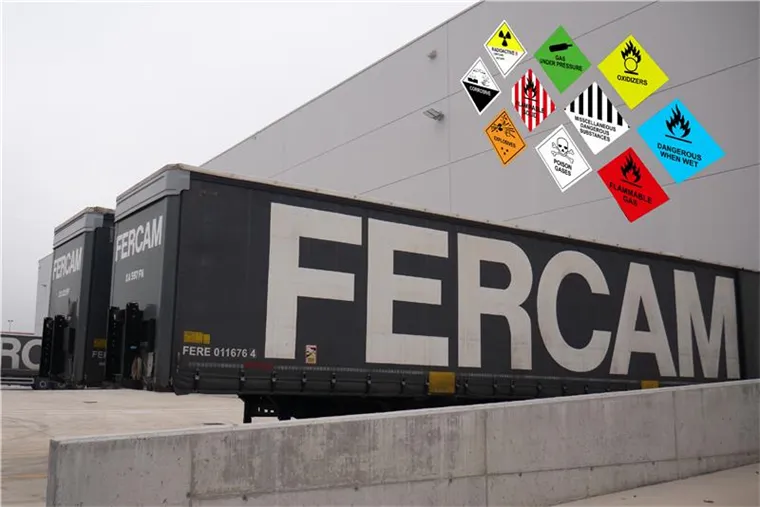
Flammable, corrosive, toxic, or explosive substances demand rigorous processes, suitable equipment, and certified expertise to safeguard people, infrastructure, and the environment.
What are the main regulations in force? Which transport modes are recommended? And which measures ensure safe and efficient handling?
What is meant by dangerous goods
Dangerous goods are substances or materials that, due to their chemical and physical properties, may pose a risk to health, safety, and the environment. They are classified into nine categories under international regulations, according to their level of hazard:
-
Explosives (ammunition, fireworks)
-
Gases (liquefied, compressed, or dissolved)
-
Flammable liquids (petrol, solvents, alcohol)
-
Flammable solids (sulphur, matches)
-
Oxidizing substances and organic peroxides (nitrates, oxidizing agents)
-
Toxic and infectious substances (pesticides, pathogenic viruses and bacteria)
-
Radioactive materials (radioisotopes for medical or industrial use)
-
Corrosive substances (acids, lead-acid batteries)
-
Miscellaneous dangerous substances (chemical waste, asbestos)
Each category is governed by specific rules for handling, packaging, and transport, designed to mitigate associated risks.
The regulatory framework: ADR for road and rail transport
The transport of dangerous goods is regulated by a harmonized international framework that defines in detail the requirements for each transport mode.
For road transport, the reference is the ADR – Accord européen relatif au transport international des marchandises dangereuses par route, developed under the auspices of UNECE. The agreement sets out detailed requirements across the entire transport chain, defining approved packaging and containment solutions—such as packages, IBCs, and tanks—as well as the technical specifications of vehicles authorized to carry dangerous goods.
ADR also regulates the labeling and marking of transport units, including the use of orange plates for immediate hazard identification, and specifies the mandatory transport documentation. A key section is dedicated to ADR training and driver certification, a cornerstone for safe and informed handling of dangerous goods. The framework is completed by emergency procedures to be activated in the event of an incident, aimed at limiting risks to people, infrastructure, and the environment.
Alongside road transport, the rail transport of dangerous goods is governed by the RID – Règlement concernant le transport international ferroviaire des marchandises dangereuses, applied in countries adhering to the COTIF Convention and aligned with ADR principles to ensure regulatory continuity in intermodal supply chains. RID defines hazard classes, authorized rail wagons—particularly tank wagons and special wagons—packaging and marking requirements, transport documentation, and safety and emergency procedures across the rail network. Thanks to dedicated infrastructure and reduced exposure to urban traffic, rail is especially suitable for high volumes and long distances, offering advantages in terms of both safety and environmental sustainability.
ADR and RID are updated every two years to reflect technical and regulatory developments. Today, they represent a shared benchmark for the international transport of dangerous goods, supporting road–rail integration and ensuring high safety standards throughout the supply chain.
Official ADR source: UNECE - ADR Regulations
The value of ADR compliance
For companies outsourcing the transport of dangerous goods to specialized operators, full compliance with ADR requirements is a key safeguard and a pillar of operational resilience. Transport managed according to strict standards eliminates the risk of fines, administrative holds, and delays, helping to keep the supply chain fluid and delivery times predictable. Moreover, proper ADR management supports customers in protecting their reputation, particularly in highly regulated sectors, and in reducing exposure to environmental impacts and indirect liabilities. Compliance thus becomes an enabler of reliability, not merely a regulatory obligation.
How to ensure safe management of dangerous goods
To achieve safe and efficient transport, it is advisable to adopt the following best practices:
-
Regulatory compliance: stay constantly updated on the latest international regulations.
-
Use of certified packaging: employ approved containers for each specific category of dangerous goods.
-
Clear labeling: ensure every package displays hazard symbols and identification codes.
-
Adequate training: implement detailed procedures and properly train personnel to manage risks and emergencies.
-
Route planning: for road transport, select safe routes, avoiding densely populated or sensitive areas.
-
Traceability: use digital tracking systems to monitor shipments and intervene promptly in case of anomalies.
-
Rely on experienced partners: choose logistics providers specialized in handling dangerous goods.
The transport of dangerous goods is a critical component of global logistics, but it requires stringent rules to ensure safety and compliance. Relying on experienced professionals, keeping pace with regulatory developments, and investing in training are essential steps toward safe and efficient transport. By adopting the right technologies and procedures, the industry can address safety challenges while protecting people and the environment.

Race to decarbonisation: European policies for emission reduction

Scope 3 Emissions: A Challenge for Supply Chain Sustainability

Platooning: The Smart Convoy That’s Set to Revolutionize Road Freight Transport